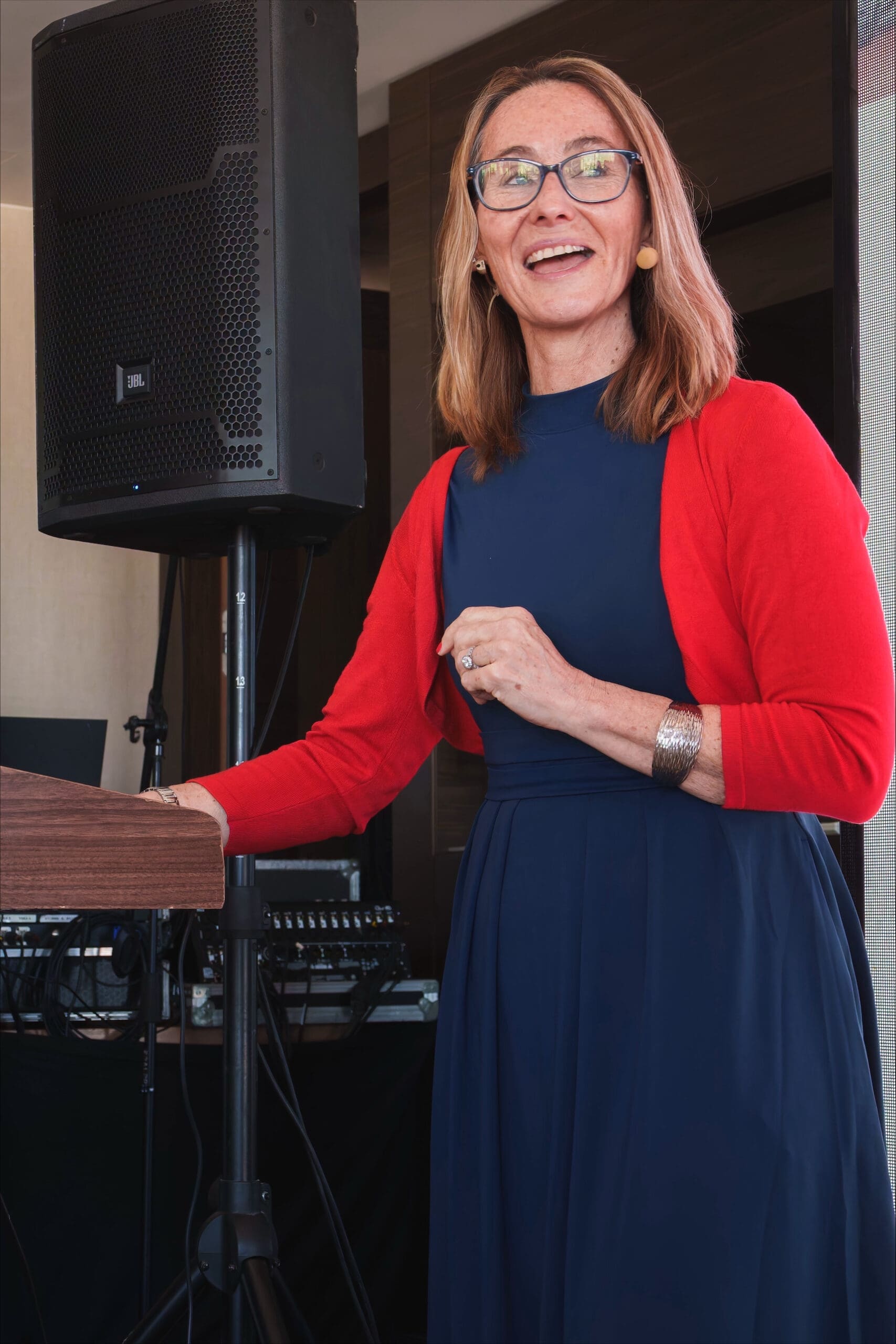
2-Day Face-to-Face Workshop | 40+ Participants
A global leadership and functional team engaged me to deliver a two-day interactive DiSC workshop focused on improving communication, reducing friction, and strengthening collaboration across different behavioural styles.
The workshop combined leadership team analysis, team-based reflection, and practical application exercises to help participants better understand both themselves and each other — and how those differences influence day-to-day working relationships.
Workshop Goal
To equip the team with a practical understanding of DiSC to improve communication, reduce friction, and work more effectively across different styles.
The Approach
The workshop introduced participants to Everything DiSC and explored how behavioural preferences influence:
- Communication
- Pace and priorities
- Decision-making
- Collaboration
- Leadership style
A key principle throughout the workshop was:
“DiSC is a tool for dialogue, not diagnosis.”
Participants explored how DiSC focuses on observable behaviour — not personality, capability, or performance — and how leadership effectiveness is less about a specific style and more about:
- Leveraging natural strengths effectively.
- Understanding how behaviour impacts others.
- Flexing communication and leadership style when needed.
Leadership Team Analysis
The engagement began with focused work alongside the leadership team, exploring:
- Their collective DiSC profile.
- Team priorities and leadership tendencies.
- Potential strengths and tension points within the group.
- How their leadership style may be experienced by others.
The leadership team demonstrated a strong C/D behavioural pattern — creating a culture that valued:
- Quality and accuracy.
- Evidence-based decision-making.
- Accountability and challenge.
At the same time, the sessions explored how these strengths could unintentionally create friction:
- Different preferences around pace and momentum.
- Over-analysis slowing decision-making in ambiguous situations.
- A questioning culture potentially being experienced as overly critical.
- Strong independence reducing early alignment and broader team contribution.
The leadership team reflected on practical shifts they could make to strengthen communication, collaboration, and leadership impact across the wider organisation.
Cultural Awareness Integration
Given the multicultural nature of the leadership team, the workshop also integrated elements of The Culture Map by Erin Meyer to explore how cultural preferences influence communication, leadership, trust, and interpretation.
Participants explored:
- How behavioural style and cultural norms interact.
- Why the same words or behaviours may be interpreted differently across cultures.
- How to adapt leadership communication more intentionally across diverse teams.
Key themes included:
- Start every interaction with curiosity.
- Build trust intentionally.
- Adapt your DiSC lens to cultural norms.
- Lead by design, not by default.
Team Sessions & Practical Application
Participants then worked within their wider teams using team DiSC profile mapping within the Catalyst platform.
The sessions included:
- Team profile analysis and behavioural mapping.
- Individual reflection and sharing.
- Exploration of behavioural intensity and priorities.
- Practical discussions on how colleagues prefer to work and communicate.
Participants completed structured reflection exercises exploring:
- How to work more effectively with different styles.
- What creates engagement, frustration, or disengagement.
- Where differences in pace, detail, and communication create tension.
- The impact of missing behavioural perspectives within a team.
In breakout sessions, mixed teams explored real-world workplace scenarios and identified:
- What each style needs to be effective.
- How different styles approach the same challenge.
- Practical behaviours that would strengthen collaboration across the team.
A strong focus was placed on creating space for people to contribute in their own style — recognising that different perspectives strengthen decision-making, problem-solving, and team effectiveness.
Outcomes
The workshop created a shared language across teams and increased awareness of how behavioural preferences influence collaboration and leadership.
Participants left with:
- Greater self-awareness of their own behavioural tendencies.
- Improved understanding of colleagues’ working styles.
- Practical strategies to adapt communication and collaboration approaches.
- Increased awareness of how pace, detail, challenge, and communication preferences impact team dynamics.
- A clearer understanding of how diverse styles contribute to stronger decision-making and team performance.